

Peptides Are Showing Up at the Pharmacy Counter. Here’s What Pharmacists Should Know


Patients are bringing more questions about peptides into the pharmacy. Some want to know whether a product is safe. Others are asking about compounded versions, weight management, or medications they heard about online.
For independent pharmacists, the challenge is helping patients separate evidence-based treatment from online hype while managing the access, counseling, and follow-up work that comes with these medications.
Why peptides are suddenly everywhere
Peptide medications are not new. Insulin has been used for decades, and GLP-1 medications have brought injectable peptides even more into the mainstream for diabetes and weight management. What has changed is how quickly peptide-related information is spreading online.
Social media influencers and wellness businesses are promoting newer injectable peptides for weight loss, muscle growth, recovery, and anti-aging. Many have not been thoroughly tested in people or reviewed by the FDA.
Patients may see a video, online advertisement, or wellness discussion and use “peptide” to describe both an FDA-approved GLP-1 and an experimental product sold online. That is why pharmacists are hearing more questions about safety, sourcing, evidence, and what happens next.
Patients may not know which peptide they’re asking about
Patients may use the word “peptide” to describe very different products. They may be referring to an FDA-approved medication such as insulin or a GLP-1, a compounded prescription, or an unapproved product marketed for wellness, anti-aging, muscle recovery, or weight loss.
That distinction is not always clear in the content patients see online. A social post or wellness ad may make an experimental product sound similar to a well-studied prescription medication, even though the evidence, sourcing, dosing, and regulatory status can be very different.
When a patient asks about a peptide, start with the specific product and the information they have been given. What was prescribed? Who prescribed it? Where is it coming from? Is it FDA-approved or not? These questions can help pharmacists identify gaps in understanding and explain what the patient should know before starting treatment.
The FDA notes that compounded drugs are not FDA-approved and are not reviewed for safety, effectiveness, or quality before they are marketed. The agency recommends that compounded drugs be used only when a patient’s medical needs cannot be met by an FDA-approved medication. Pharmacists can review the latest FDA guidance on unapproved GLP-1 drugs as policies and enforcement continue to evolve.
Access changes can create new pressure on pharmacy teams
The growing demand for GLP-1s is also changing how patients access treatment. In July, CMS launched a temporary Medicare pilot that gives eligible beneficiaries a new pathway to access certain GLP-1 medications for obesity at a lower monthly cost.
That could help some patients start treatment, but it may also create more questions for pharmacy teams. Pharmacists may need to determine which coverage pathway applies, clarify prior authorization requirements, manage supply concerns, and explain why the same medication may have different costs depending on the indication and benefit being used.
Price Pharmacies’ President Dared Price raised this concern in a recent MedCity News article about the CMS GLP-1 coverage pilot: “I don’t know that [CMS realizes] how many people are getting GLP-1s today for weight loss. I think they’ve underestimated what that looks like.”
His point reflects an issue many independent pharmacies understand well: a change in coverage can quickly create more calls, benefit questions, prescriber coordination, and workflow pressure.
What pharmacists should be ready to discuss
When patients ask about peptide medications, a clear conversation can help prevent confusion and support safer use. Depending on the prescription, pharmacists may want to review:
- What is the intended goal of taking the medication
- Whether the product is FDA-approved or not
- How to measure and administer the intended dose
- What to do if a dose is missed
- How the medication should be stored and handled
- What to do when the product arrives improperly stored
- What side effects or concerns should prompt a call to the pharmacy or prescriber
- How refills, prior authorizations, and follow-up will be handled
The goal is to give patients enough clear, accurate information to use the medication as prescribed and know when to ask for help.
It’s also important to be cautious with products patients find through social media, wellness clinics, or online marketplaces. If the product’s source, labeling, ingredients, or instructions are unclear, that is a reason to slow down, verify the details before moving forward, and even caution patients against their use if appropriate.
Keep the follow-up manageable
Starting a medication is only one part of the patient journey. Patients may need help with the first fill, administration questions, refill timing, coverage changes, or communicating new concerns to their prescriber.
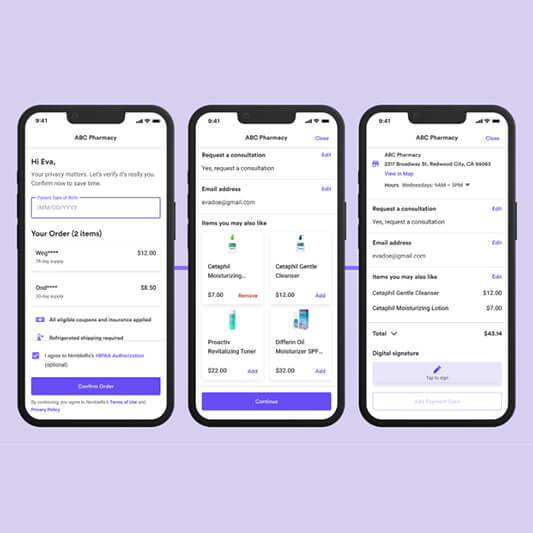
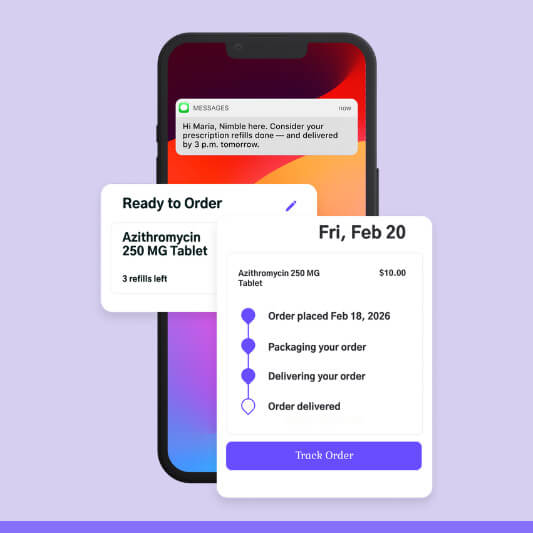
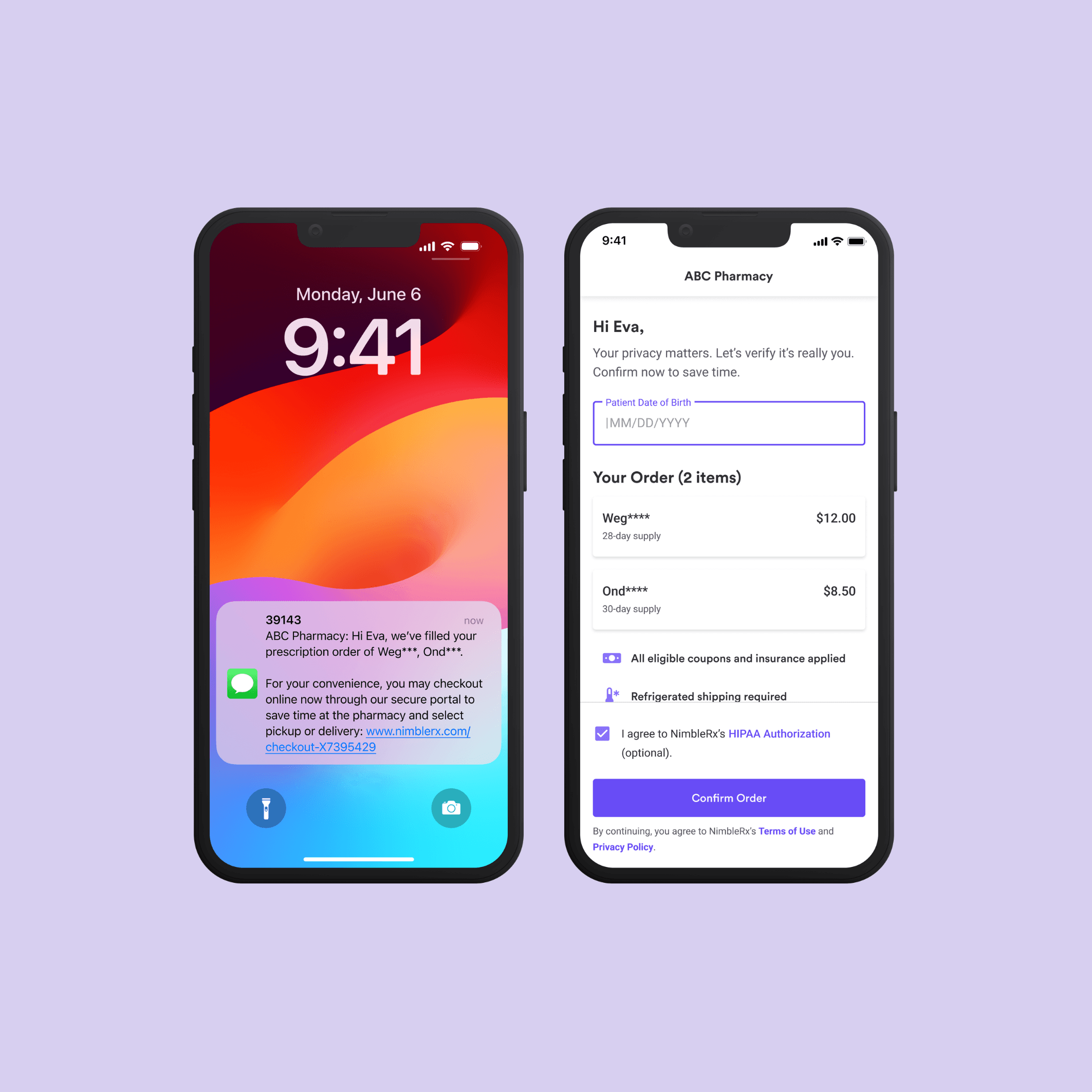
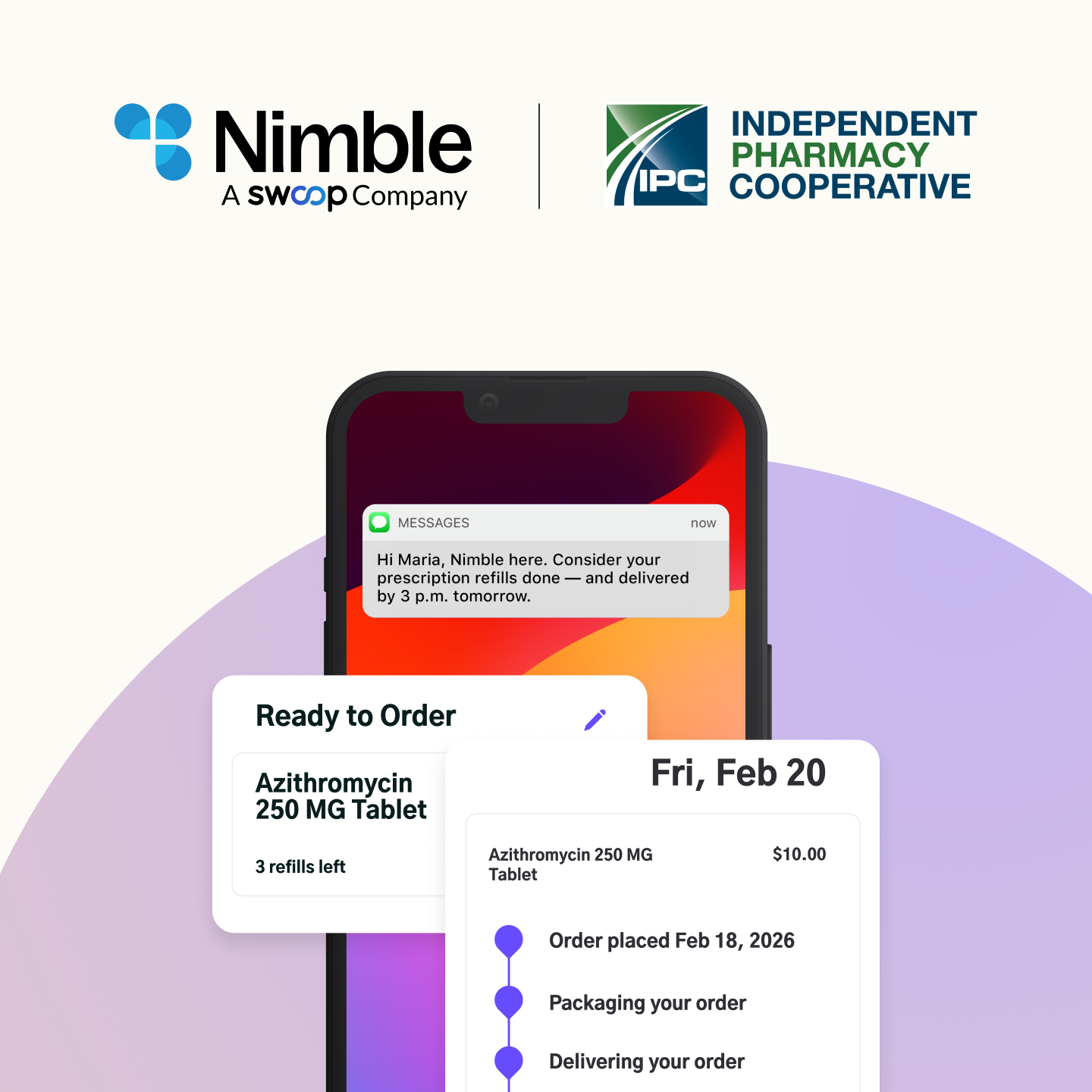
For independent pharmacies, consistent communication can make that follow-up easier to manage. Prescription-ready notifications, refill reminders, and secure two-way messaging can reduce routine phone calls while keeping patients connected to the pharmacy. NimbleRx can support those workflows without replacing the pharmacist’s role in counseling or clinical decision-making.
The opportunity is trusted guidance
Peptides will likely remain part of the pharmacy conversation as new products, coverage policies, and patient expectations continue to change. Independent pharmacists are in a strong position to help patients make sense of that conversation.
The most useful approach is straightforward: distinguish approved treatments from unapproved products, verify the prescription and source, explain the next steps clearly, and create a reliable way for patients to stay connected after the fill.
Patients may discover peptides online, but they still look to their pharmacist for practical answers. That trusted relationship is one of the most important tools pharmacies have as this space continues to evolve.





.png)
.png)
.png)




.png)


.jpg)
.jpg)
.jpg)





.jpg)


.jpg)










.jpg)