

Is Your Pharmacy Staff Burned Out? 3 Workflow Fixes for 2026


Pharmacy staff burnout isn't a new phenomenon: about 62% of pharmacy professionals experience burnout. More than just a staffing headache for independent pharmacy owners, burnout drives errors, erodes patient relationships, and accelerates turnover in a market where finding qualified staff is already brutal.
The good news: most burnout in community pharmacy isn't caused by people who are unhappy with their jobs. It's caused by workflows that weren't designed for the volume, complexity, or regulatory load they're now carrying.
Why Pharmacy Burnout Has Become a Structural Problem
Burnout in healthcare is typically tracked across three dimensions: emotional exhaustion, depersonalization (cynicism toward patients), and a reduced sense of personal accomplishment.
The root causes can be largely operational:
- Understaffing: Independent pharmacies are routinely handling the same workload they once staffed for two or three more people.
- Cognitive overload: Pharmacists juggle clinical decisions, insurance rejections, patient counseling, prescriber communications, and inventory management simultaneously. Each task switch costs time and mental bandwidth.
- Administrative drag: Direct and Indirect Remuneration (DIR) fee reconciliations, prior authorizations, and documentation requirements consume hours that should go toward patient care.
- Interruption culture: Research in community pharmacy settings finds pharmacists face anywhere from 3 to 7 interruptions per hour, with some studies clocking nearly 6 per hour on average. Each one resets the cognitive clock.
3 Workflow Fixes That Actually Move the Needle
Fix 1: Restructure the Prescription Queue to Reduce Cognitive Load
The default "first in, first out" queue model is one of the biggest contributors to staff burnout because it treats every prescription as equal urgency. It isn't.
A priority-tiered queue separates prescriptions into three buckets:
When staff aren't mentally triaging every incoming script on their own, decision fatigue drops sharply. Assign one team member per shift to own the queue structure rather than letting it pile up organically.
Actionable step: Audit your queue process this week. If you don't have a written triage protocol, draft one using your three highest-volume prescription categories as the starting framework.
Fix 2: Automate the Tasks That Are Burning Out Your Best People
Repetitive, low-judgment tasks (refill reminders, pickup notifications, basic insurance verification follow-ups) are disproportionately demoralizing because they're time-consuming but don't require the skills your staff actually trained for.
Automation doesn't mean replacing people. It means redirecting them toward work that requires clinical judgment and human connection.
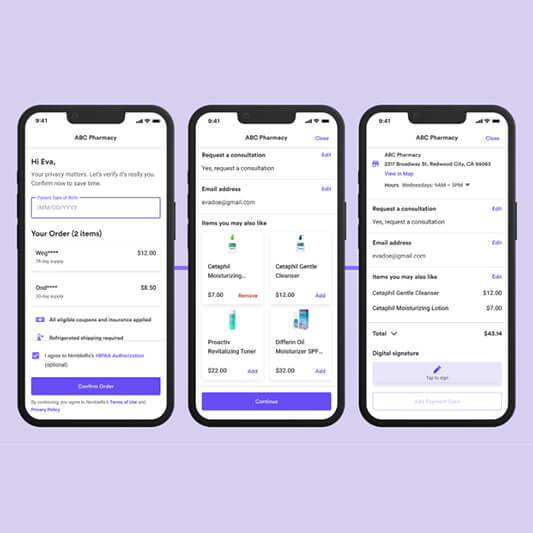
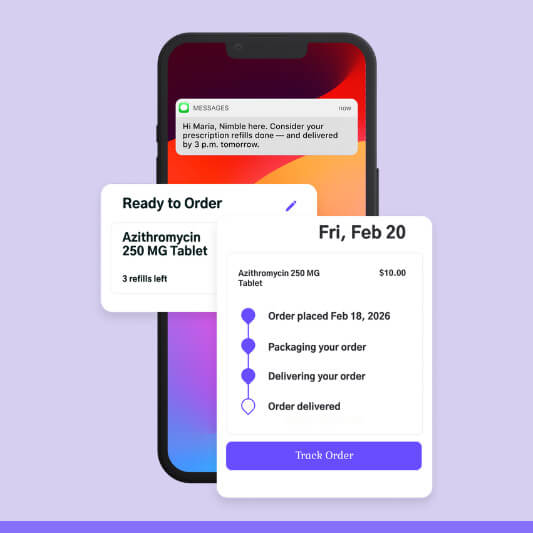
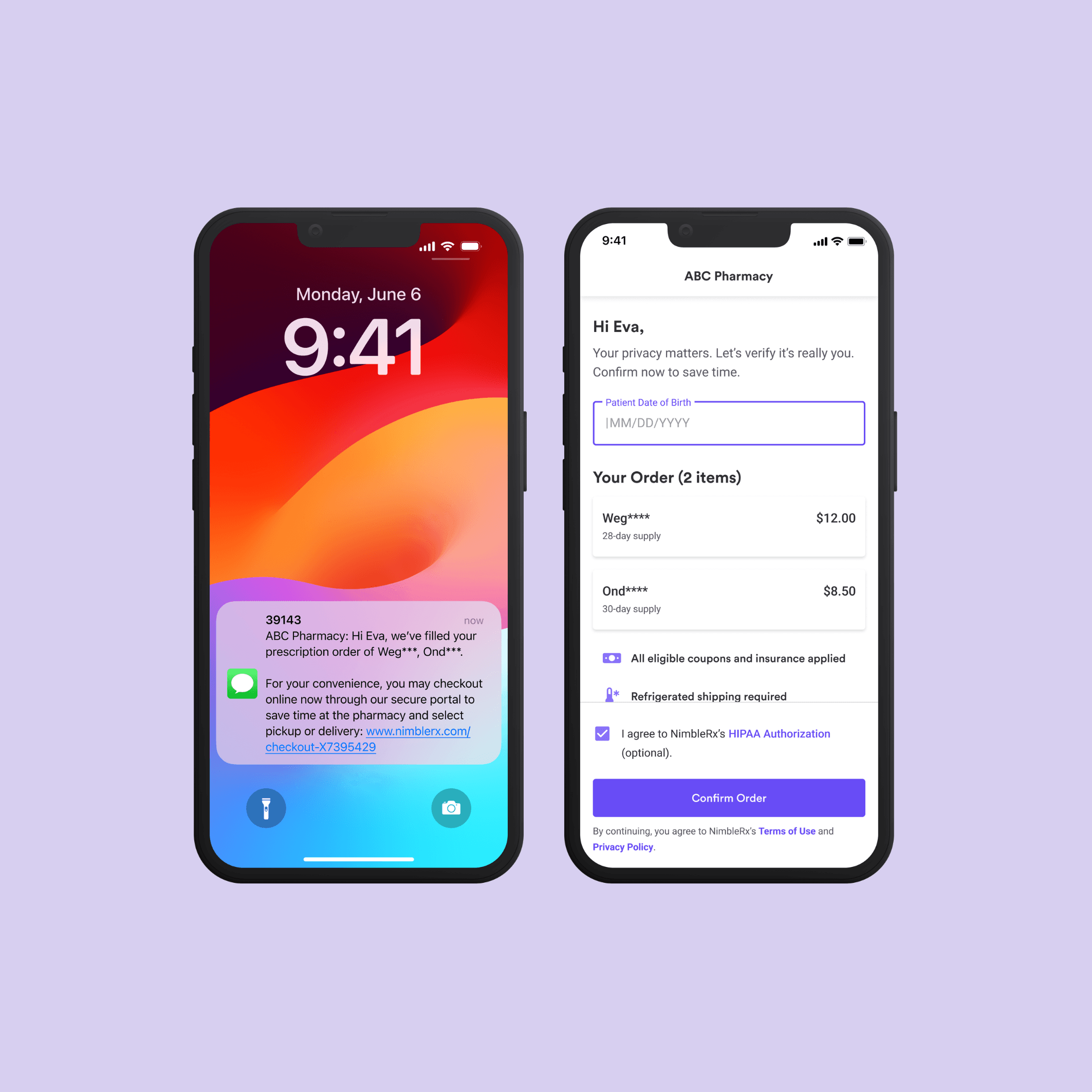
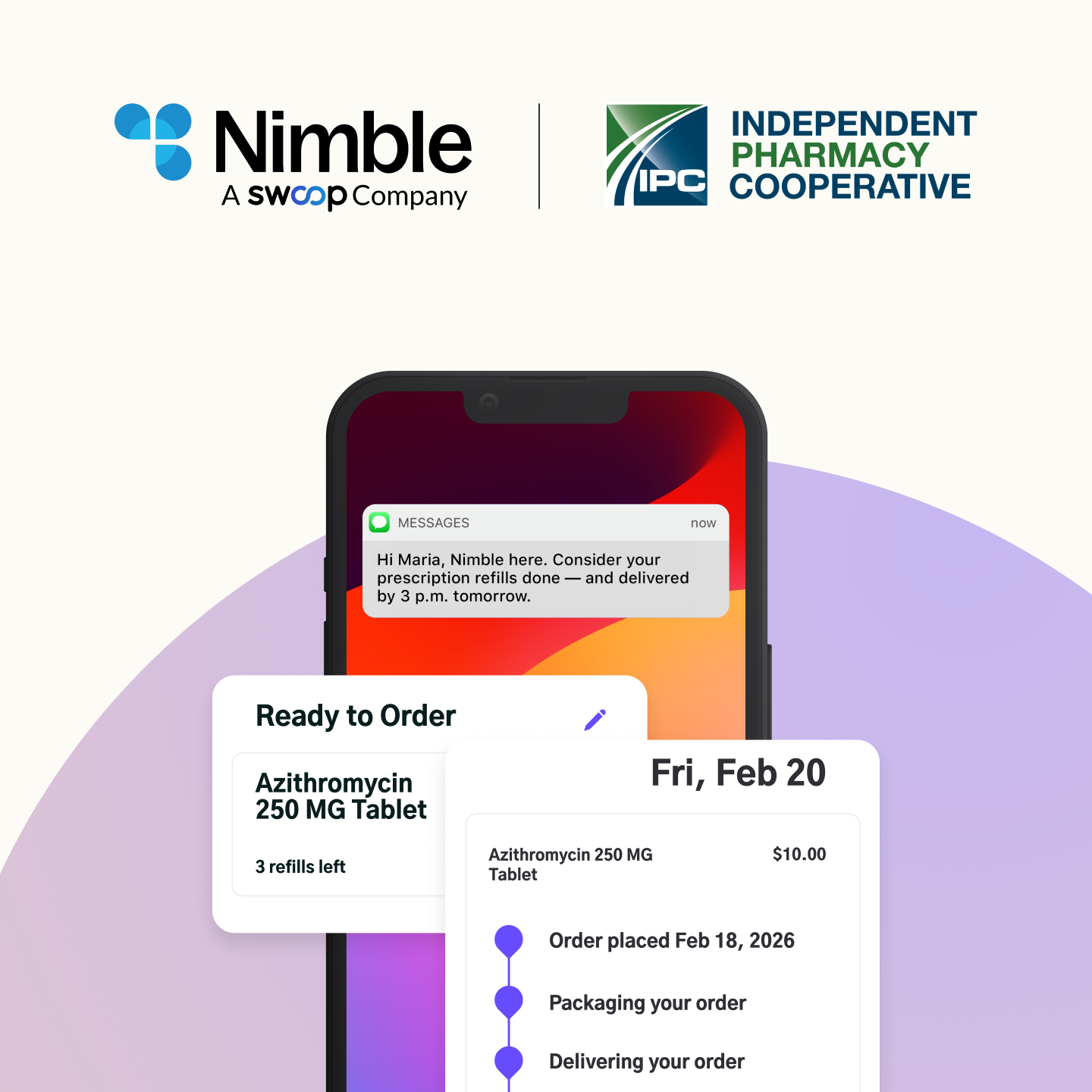
Tools like Nimble help independent pharmacies automate patient communications, refill workflows, and outreach without adding headcount. When a technician isn't spending 45 minutes per day on outbound reminder calls, that time goes back into patient care, managing prior auths, or simply leaving work on time.
Specific workflows worth automating in 2026:
- Refill reminder texts and calls
- Ready-for-pickup notifications
- Adherence follow-ups for high-risk chronic disease patients
- Appointment reminders for vaccine or MTM services
Pharmacies using automated patient engagement tools report saving 1 to 3 staff hours per day, which compounds fast across a calendar year.
Actionable step: List every repeating communication task your team handles manually. Anything that follows a script and doesn't require clinical judgment is a candidate for automation.
Fix 3: Build Micro-Boundaries Into the Shift Structure
This one costs nothing but scheduling discipline, and it may be the highest-leverage fix of the three.
Pharmacists and technicians in community settings rarely get uninterrupted time for focused work. The result is a phenomenon called attention residue, where incomplete tasks linger in working memory and compound cognitive load even when staff move on to other work.
Structured micro-boundaries look like this:
- Protected processing windows: Designate 20-minute blocks (1-2 per shift) where one staff member handles the floor while others complete focused clinical or administrative tasks without interruption.
- Handoff protocols: Replace verbal status updates with a brief written shift handoff so outgoing staff aren't mentally carrying tasks into their personal time.
- "Not now" scripts: Train staff to use a short verbal redirect when interrupted during focused tasks: "I'm in the middle of a verification. Can you give me 5 minutes or grab [colleague]?"
Small boundaries create psychological relief that accumulates shift by shift.
Actionable step: Implement one 20-minute protected processing window per pharmacist per shift for the next two weeks. Measure whether error rates or end-of-shift stress levels change.
Key Takeaways for Independent Pharmacy Owners
- 62% of pharmacy professionals reported burnout, pointing to a retention and safety crisis in the industry.
- Burnout in community pharmacy is primarily structural, driven by cognitive overload, administrative burden, and workflow inefficiency, not individual resilience failures.
- Tiered prescription queues reduce decision fatigue without adding staff or cost.
- Automating low-judgment, repetitive communication tasks (refill reminders, pickup notifications, adherence outreach) with tools like Nimble reclaims 1 to 3 hours of staff time daily.
- Micro-boundaries and protected focus time are free interventions with measurable impact on attention, error rates, and end-of-shift stress.
Burned-out staff make more errors, leave faster, and cost more to replace than any workflow investment you'll make this year. The pharmacies that solve this operationally, not just culturally, will have a staffing and clinical quality advantage that compounds over time.







.png)
.png)
.png)



.png)


.jpg)
.jpg)
.jpg)





.jpg)


.jpg)











.jpg)