Is Pharmacy Delivery Driving Loyalty or Draining Your Margin?


Pharmacy delivery can be a loyalty engine or a margin leak. For patients, delivery can make medication access easier when transportation, work, mobility, or caregiving responsibilities make pharmacy visits difficult. For independent pharmacies, it can strengthen patient relationships.
However, delivery does not automatically create a return just because patients want it. The real question is whether the pharmacy has a manageable model for coordinating routes, collecting payment, communicating with patients, and completing deliveries.
A small delivery program may be easy to manage. As demand grows, driver time, routing complexity, and staff coordination can increase quickly.
Delivery is becoming a competitive expectation
Convenience matters to patients. But offering free or same-day delivery without clear boundaries can create hidden costs.
Before expanding, ask how many patients are requesting delivery, how many stops your team can complete, and how much staff time goes into each one. The answers can point to a need for delivery windows, route days, geographic limits, or fees.
What belongs in a delivery ROI review?
The cost of delivery includes more than the driver or courier. Review the full workflow, including:
- Driver or courier costs
- Mileage and fuel
- Staff time spent coordinating deliveries
- Payment collection and follow-up
- Missed or rescheduled deliveries
- Completed prescriptions
- Patient retention and refill activity
A delivery program may look affordable when you only count the cost of the route. The return can look different when you account for the time your team spends confirming details, answering status questions, collecting payment, and resolving missed deliveries.
The value side matters, too. Delivery may help complete prescriptions that would otherwise remain unclaimed, reduce routine follow-up for staff, and give patients another reason to return to the pharmacy.
The delivery volume trap
Many pharmacies start delivery for a small group of patients, but as more people request it, the program may require a different operating model.
A pharmacy that manages a few deliveries between other tasks may struggle when routes grow. Payment follow-up and status questions can also increase with volume.
The goal is to create a model that can grow without adding the same amount of manual work each time.
Guardrails that protect delivery ROI
Common delivery guardrails include:
- Batching deliveries
- Offering delivery on defined days or within specific windows
- Setting a geographic service area
- Charging a delivery fee or defining a number of free deliveries
- Collecting digital payment before fulfillment when appropriate
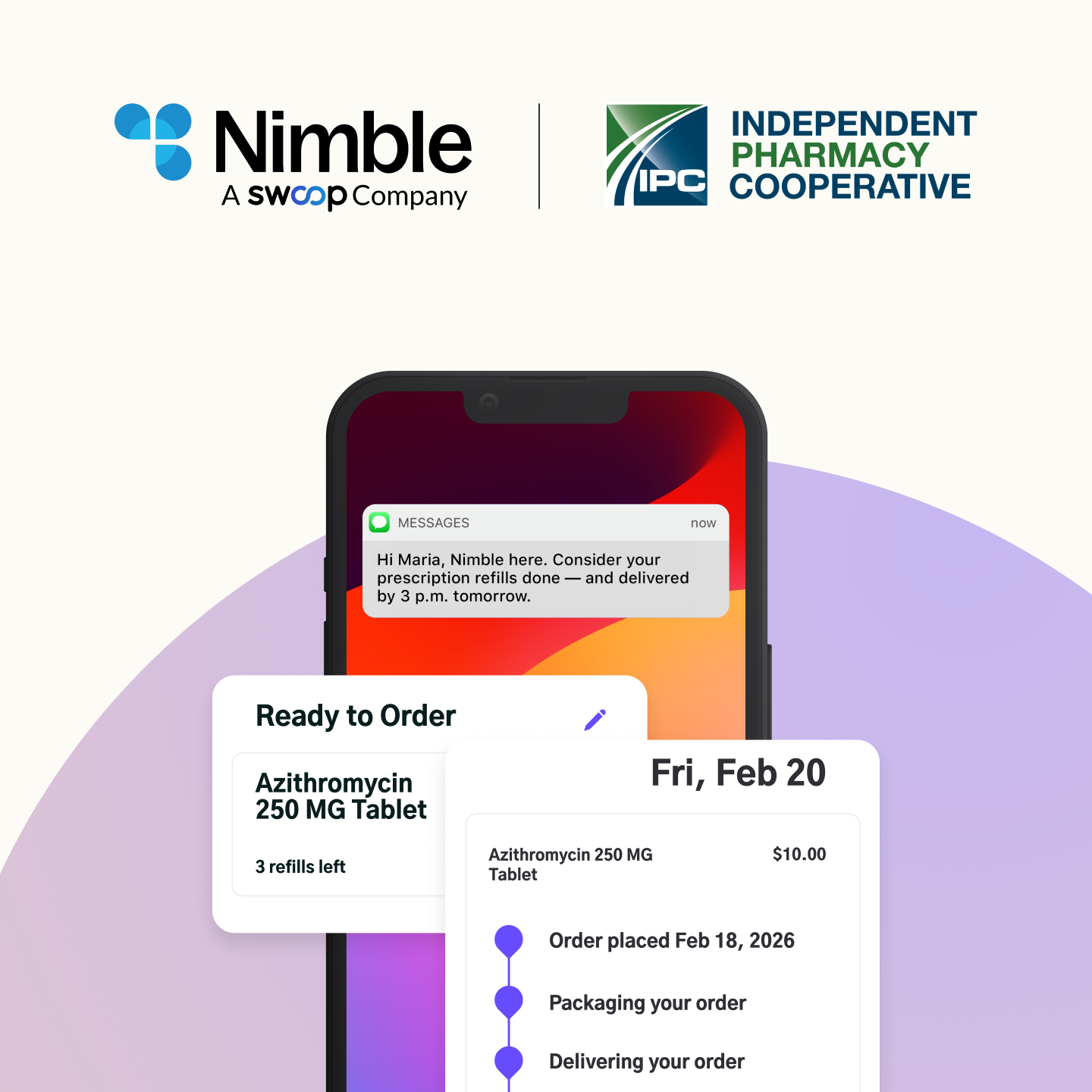
- Sending automated prescription and delivery updates
These policies make delivery more predictable for patients and easier for staff to manage. They also help the pharmacy understand what it can offer consistently.
Operating delivery efficiently
A delivery capability gets medication from the pharmacy to the patient, and the workflow around the delivery determines how much work the pharmacy absorbs.
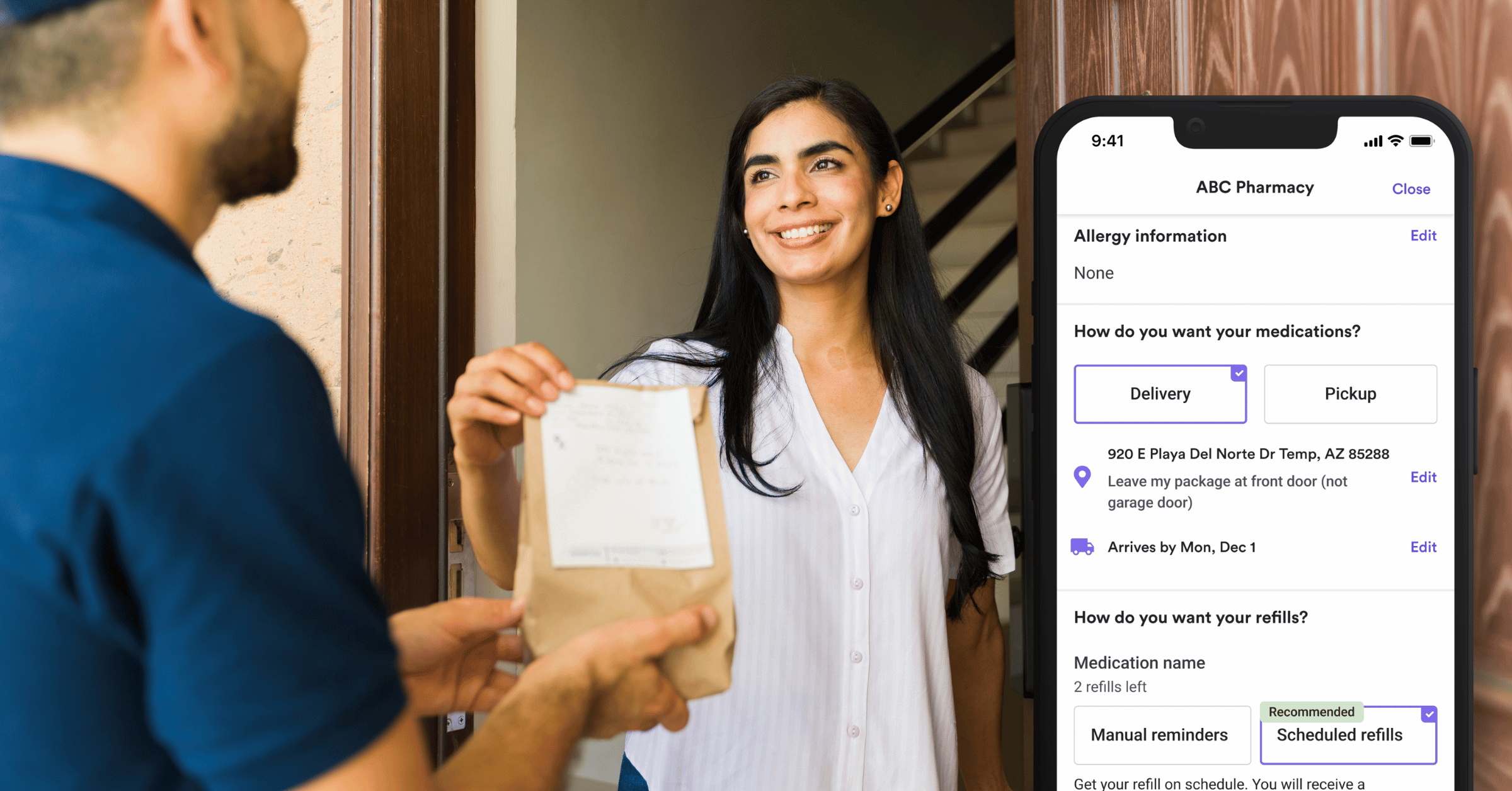
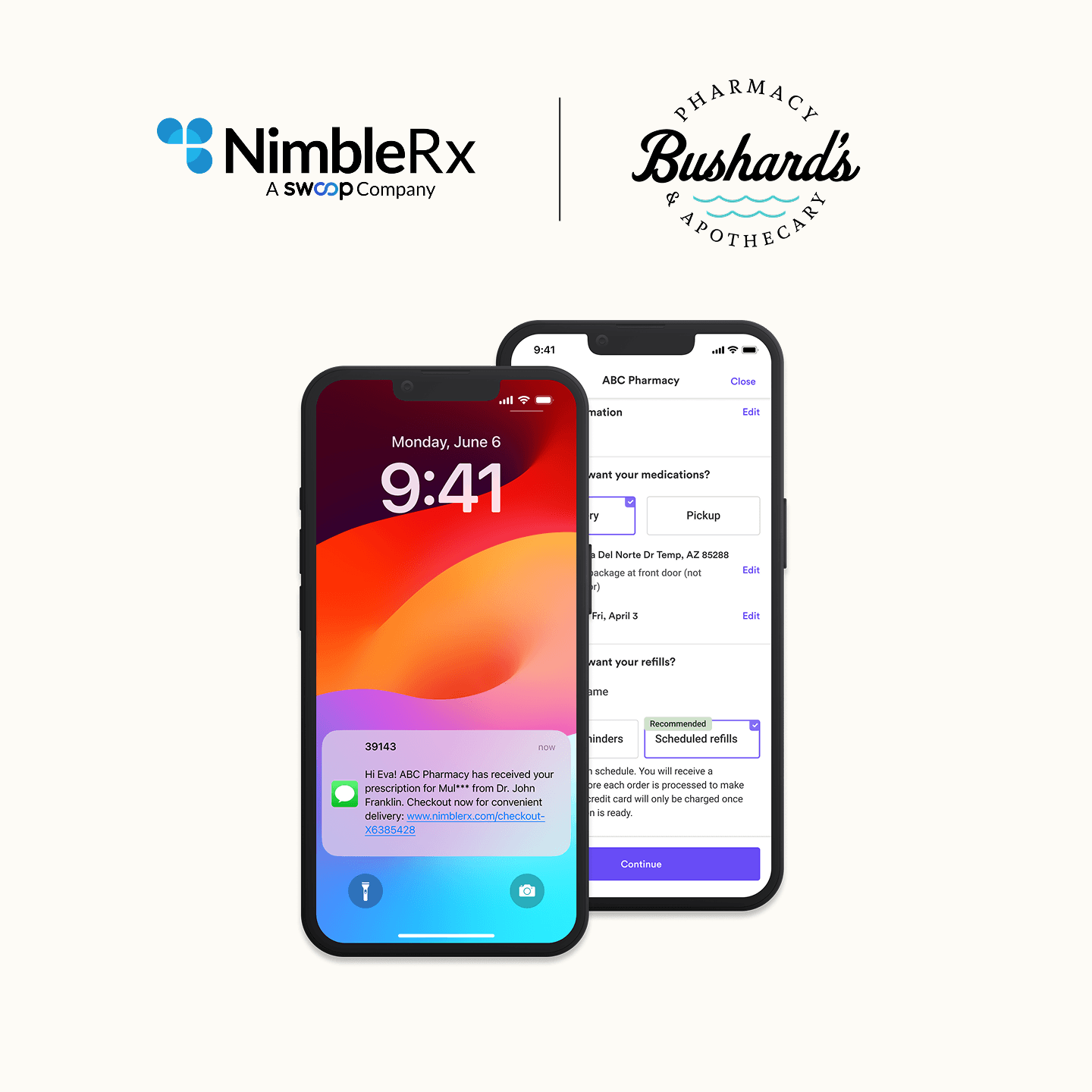
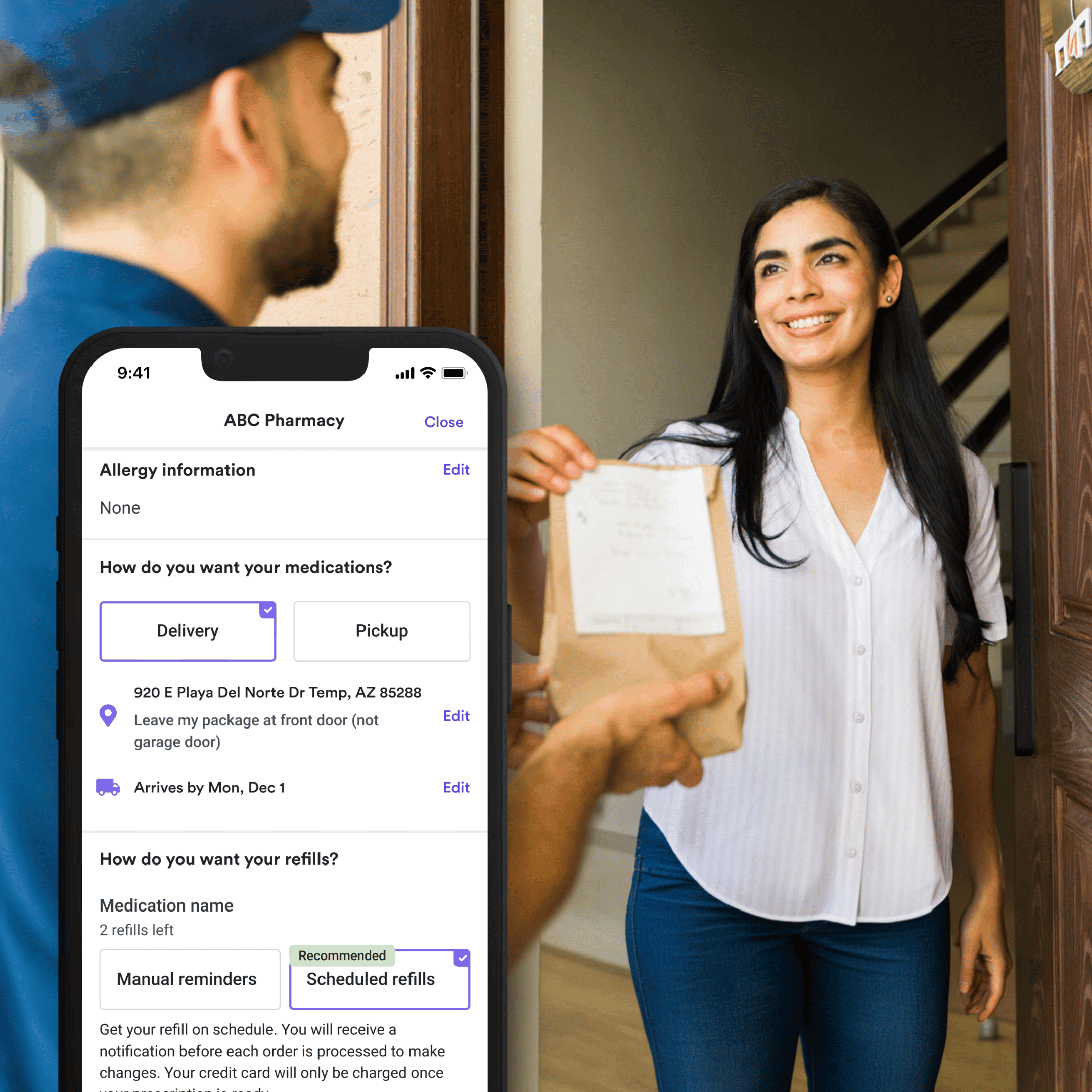
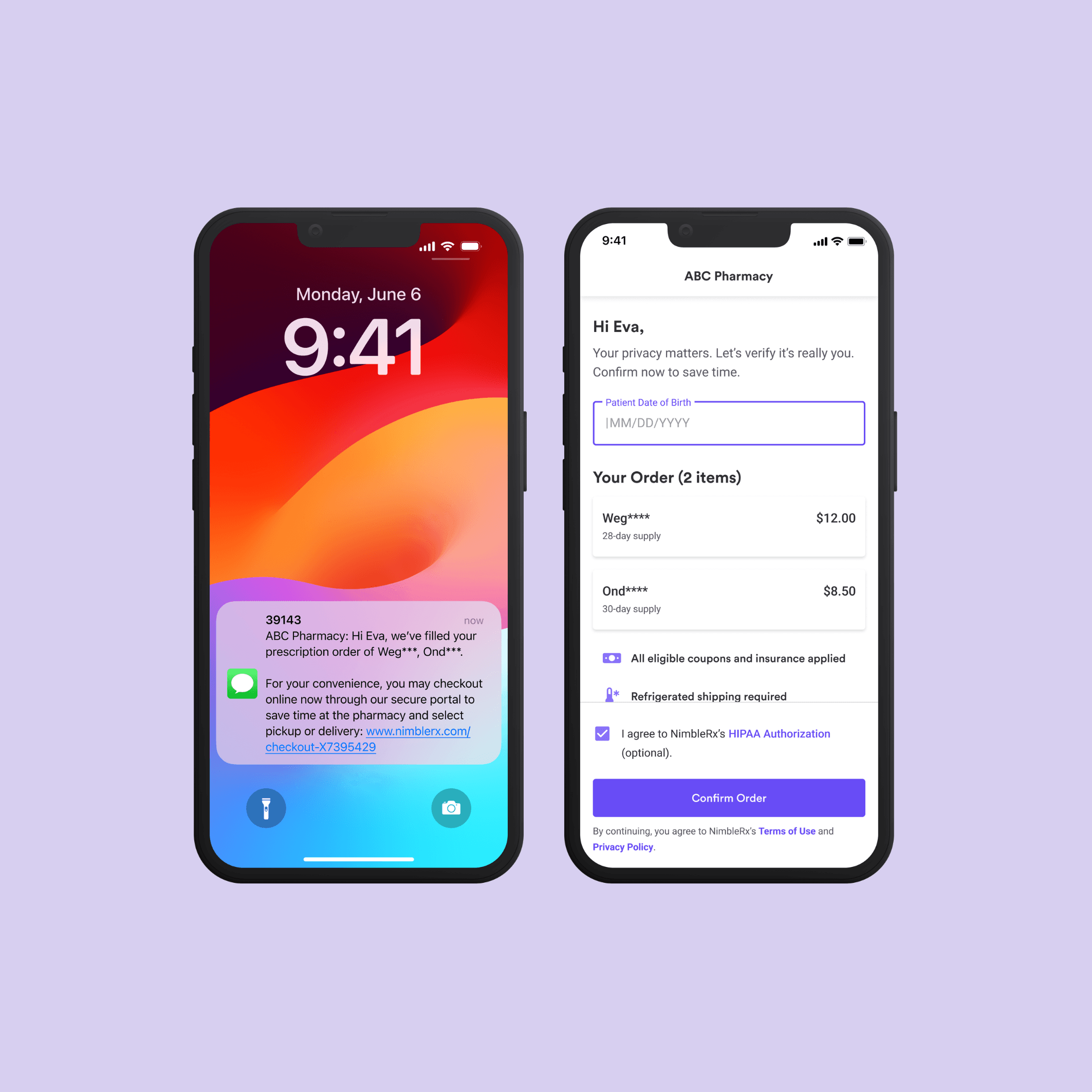
Patients need to know when a prescription is ready, what they owe, when delivery is expected, and what happens next. When notifications, payment, delivery status, and
refill reminders are handled as separate manual tasks, the experience can feel fragmented and the work can add up quickly.
A more connected experience can reduce friction for patients while limiting repetitive follow-up for the pharmacy team.
How NimbleRx fits alongside the pharmacy workflow
NimbleRx works alongside a pharmacy’s existing workflow to connect prescription-ready notifications, digital checkout, applicable signature or approval steps, fulfillment coordination, secure communication, and refill engagement.
The goal is to connect the patient-facing steps around delivery, from prescription ready through checkout, fulfillment, and the next refill. That can reduce uncertainty for patients and manual follow-up for staff.
Start with a simple delivery audit
Review one month of delivery activity and ask:
- How many deliveries did we complete?
- What did each one truly cost, including staff time?
- How many required payment or status follow-up?
- Where did patients get stuck?
- What helped patients return for their next refill?
Better delivery ROI does not mean making every delivery free. It means building a delivery model that patients value and your pharmacy can sustain.
Talk to our team to see how NimbleRx can connect patient communications, digital checkout, and fulfillment with your existing pharmacy workflow.


.png)
.png)
.png)




.png)


.jpg)
.jpg)
.jpg)





.jpg)


.jpg)










.jpg)