
Why Manual Checkout Is Costing Your Pharmacy Money


At an independent pharmacy, checkout is rarely just checkout.
It's the copay question that turns into a phone call. The patient waiting at pickup while a team member looks for payment details. The cash drawer reconciliation that extends the end of the day. These small interruptions add up, pulling your staff away from patient care and creating more opportunities for revenue to go uncollected.
The cost shows up in two places: labor spent managing manual tasks and prescriptions that remain on the shelf because payment was never resolved. In a business where every minute and every fill matters, the checkout experience deserves the same attention as the prescription workflow behind it.
The Real Cost of Manual Checkout
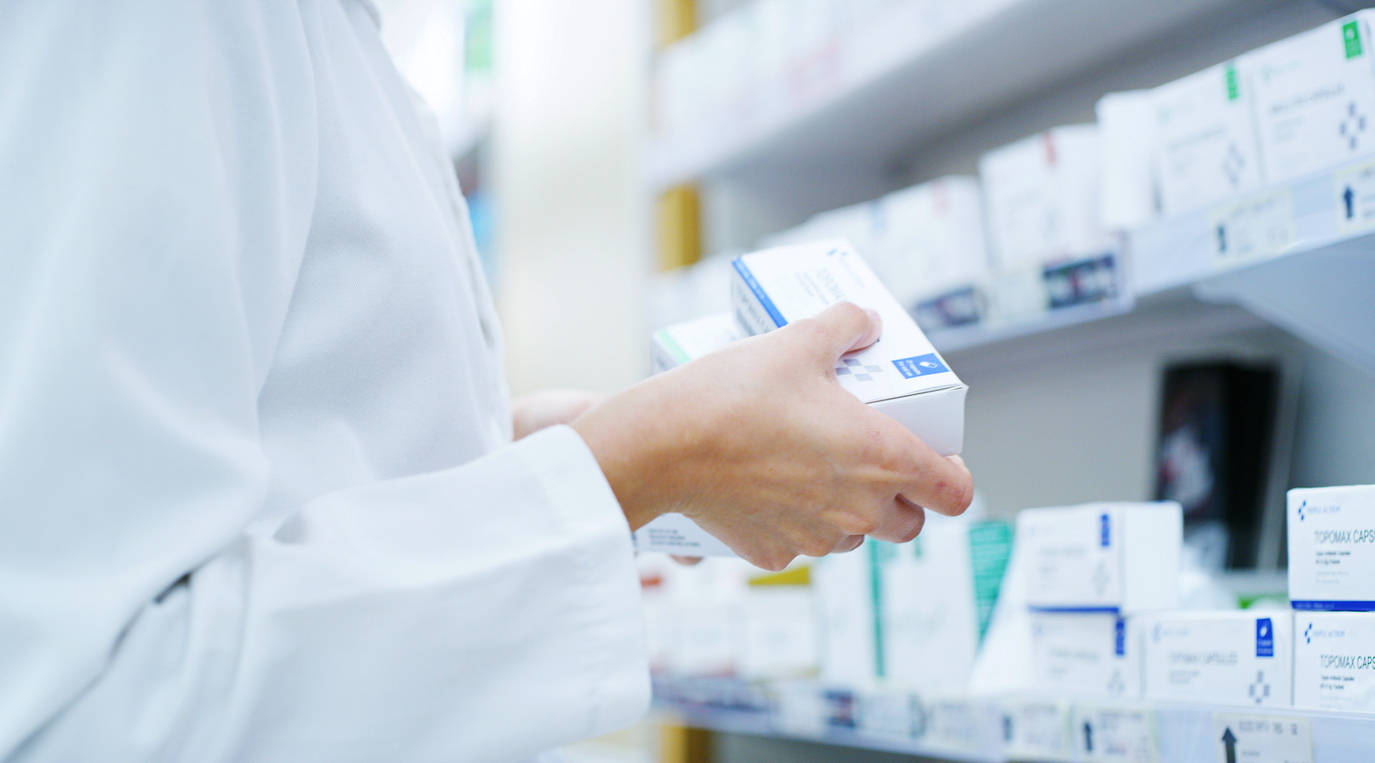
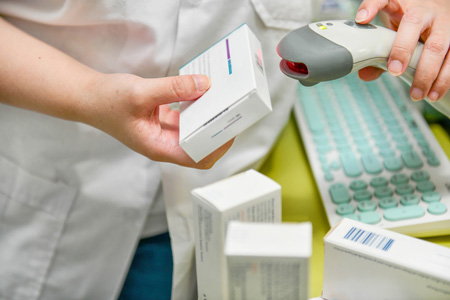
Manual checkout, i.e. the manual process your staff takes when they enter patient details, scan item barcodes, look up insurance data, etc. at the register, creates friction at every stage of the patient journey. Staff may need to answer payment questions, call patients about copays, process cards at the counter, and follow up on prescriptions that were prepared but never picked up. Meanwhile, patients can be unclear about what they owe until they arrive, which can delay the decision to complete a pickup.
Those steps are especially costly when staffing is already tight. In a 2024 National Community Pharmacists Association survey, 67 percent of independent pharmacy owners and managers said it was difficult to fill open staff positions. When every team member is needed, time spent chasing payment is time not spent counseling patients, processing prescriptions, or supporting services that help your pharmacy grow.
Manual processes can also hide a revenue problem. An unclaimed prescription may mean a reversed claim, inventory to return to stock, and additional outreach from your team. Even when the payment is ultimately collected, the work to get there can erode the efficiency and patient experience your pharmacy has worked hard to build.
Why Patients Expect Something Better
Patients already manage payments from their phones for food delivery, retail, and everyday services. They increasingly expect the same convenience from their pharmacy.
A checkout process that requires waiting in line, asking about a balance, or making a separate payment call can feel out of step with that expectation. For patients with busy schedules, even a small barrier can make pickup less convenient than mail order or a large chain.
Clear, mobile-first, and automated payment options give patients more control. They also help your pharmacy make the pickup experience feel as personal and efficient as the care behind the counter.
The Problem Mobile Checkout Actually Solves
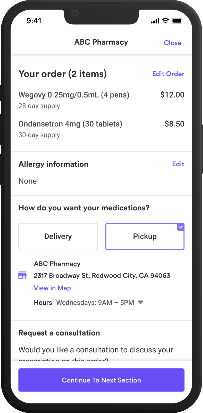
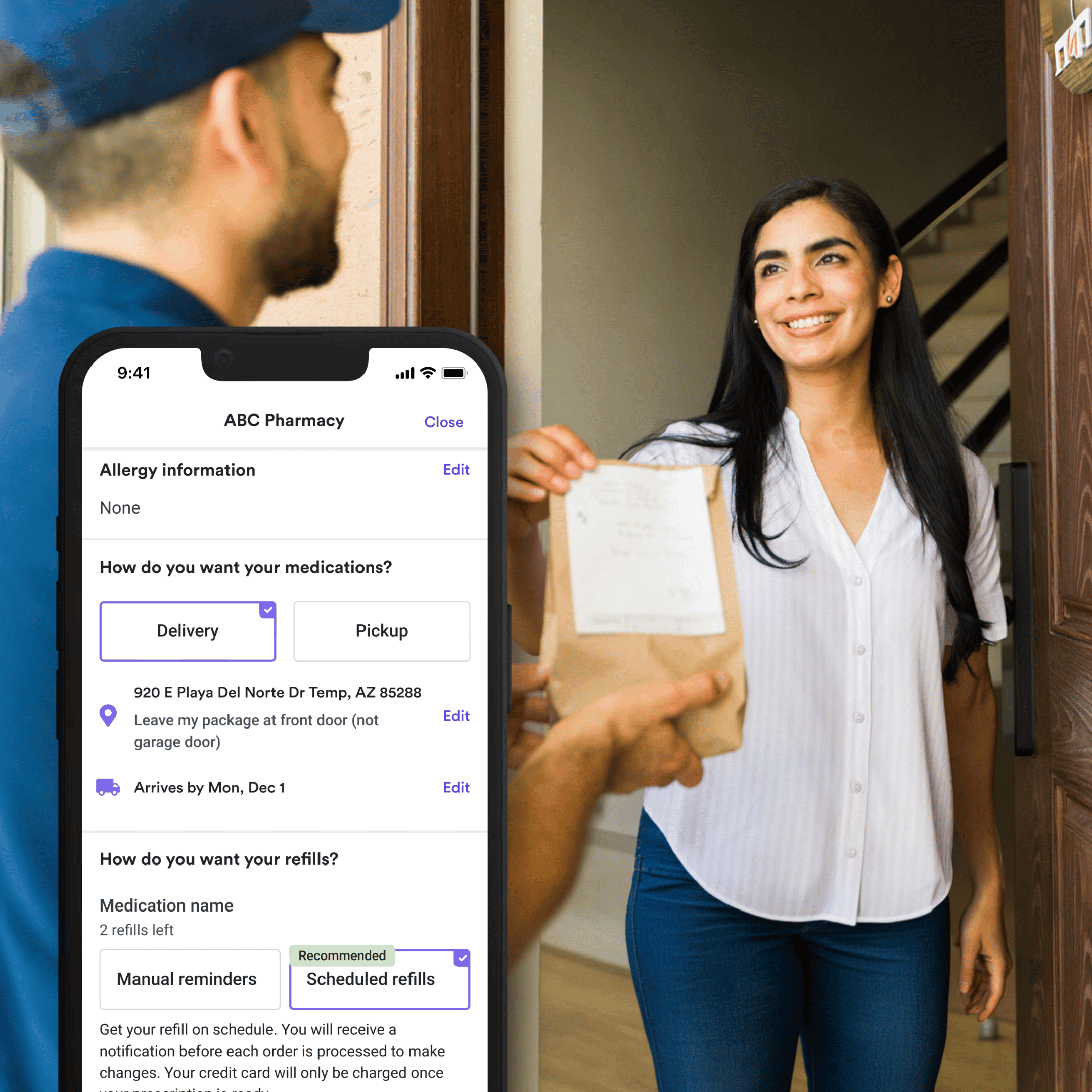
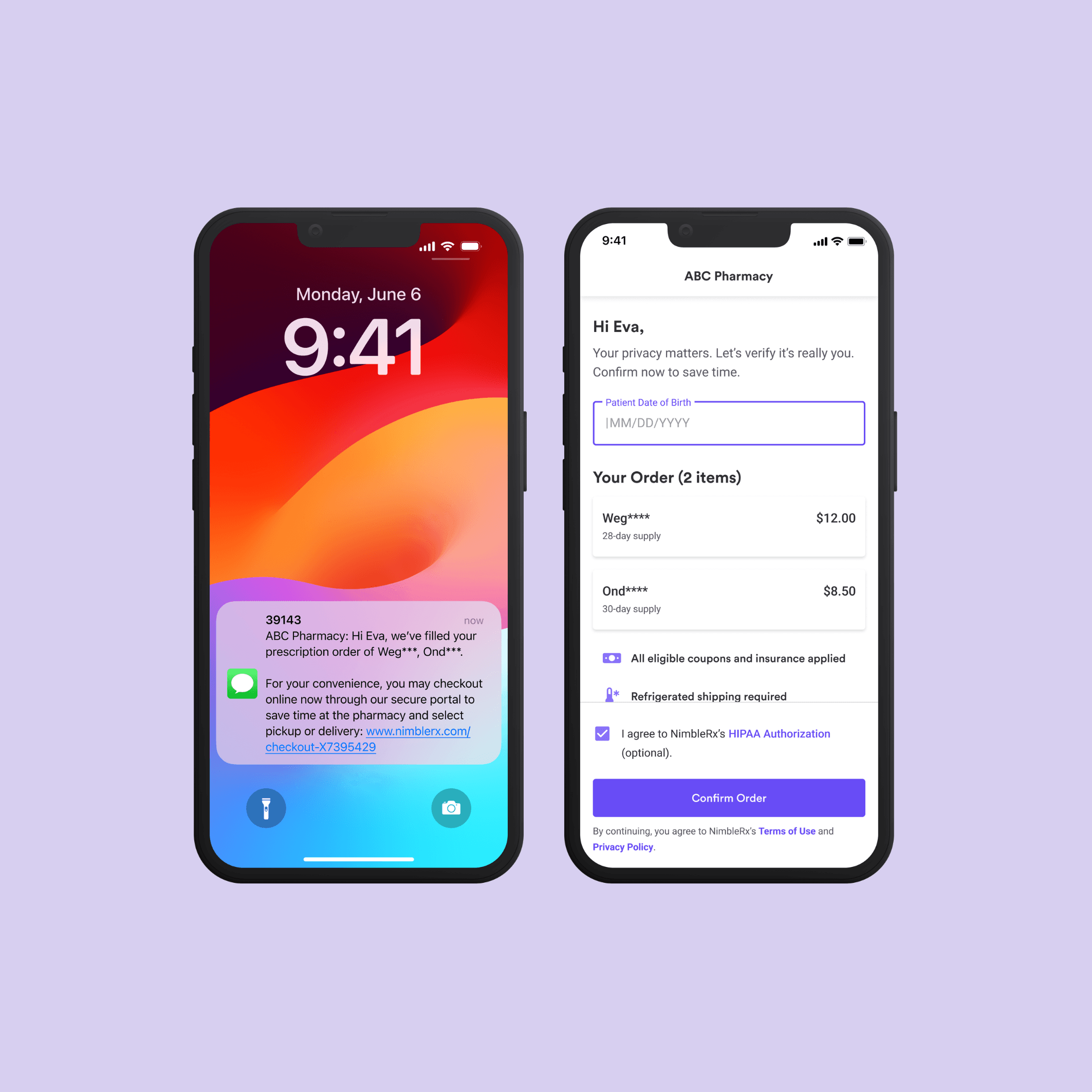
Automated and mobile checkout gives patients a simple way to pay for prescriptions, refills, and applicable service or delivery fees from their phone. Instead of saving payment for the counter, the process can happen as part of the prescription-ready journey.
That shift helps solve practical workflow challenges:
- Shorter counter interactions when patients arrive
- Fewer payment-related calls and fewer unanswered follow-ups
- A clearer path from prescription ready to payment collected
- Less risk that a completed fill becomes an unclaimed prescription
Advance payment can also change the dynamic of pickup. At Dave’s Pharmacy in Alliance, Nebraska, digital checkout through NimbleRx helped reduce abandoned prescriptions. As Dave Randolph explained, “They’ve already paid, their card’s on file, and the prescription’s waiting. There’s no decision to make. They’re coming in.”
When the payment decision is complete before the patient walks in, your team can spend less time at the register and more time delivering the trusted care that sets an independent pharmacy apart.
How NimbleRx Fits In
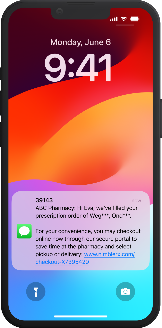
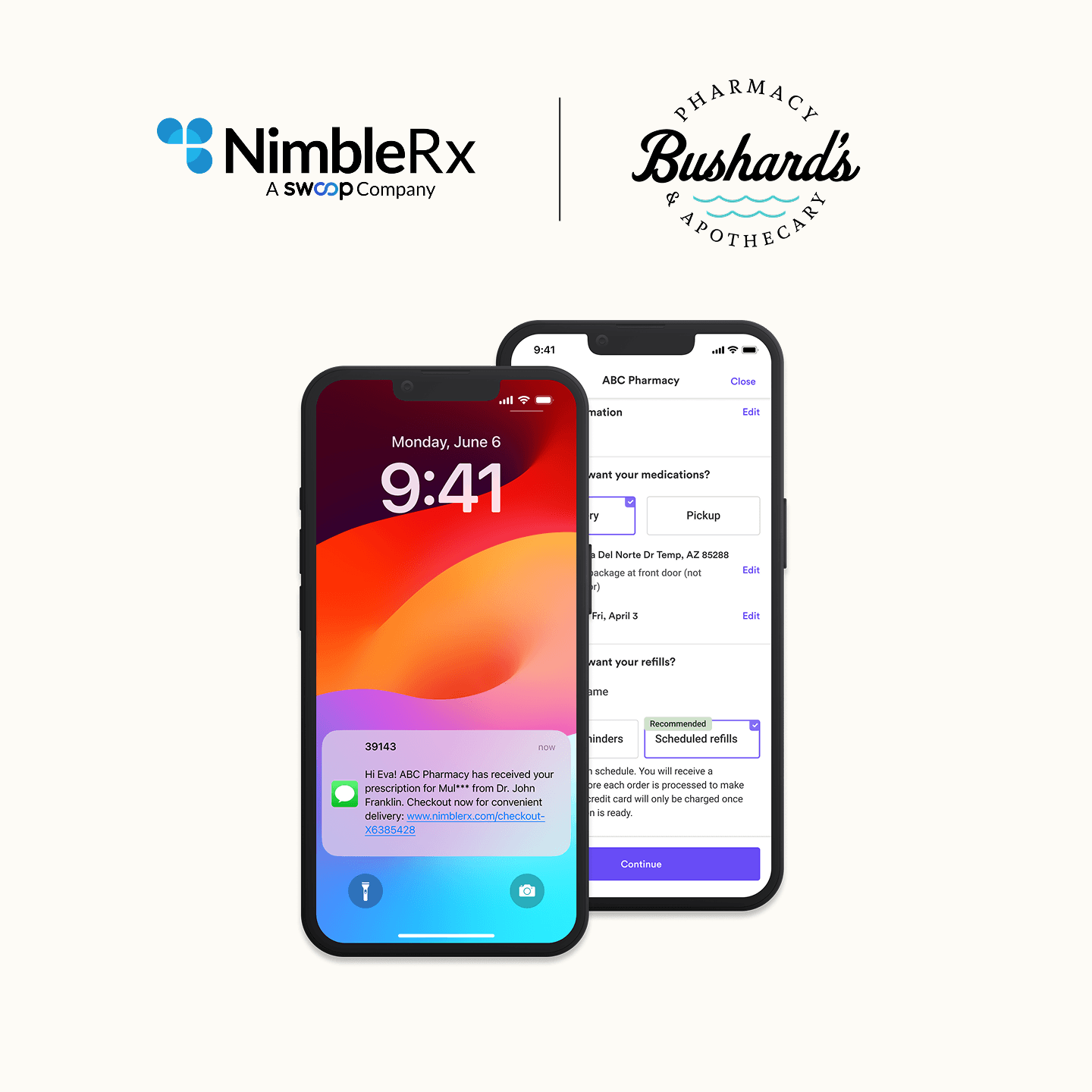
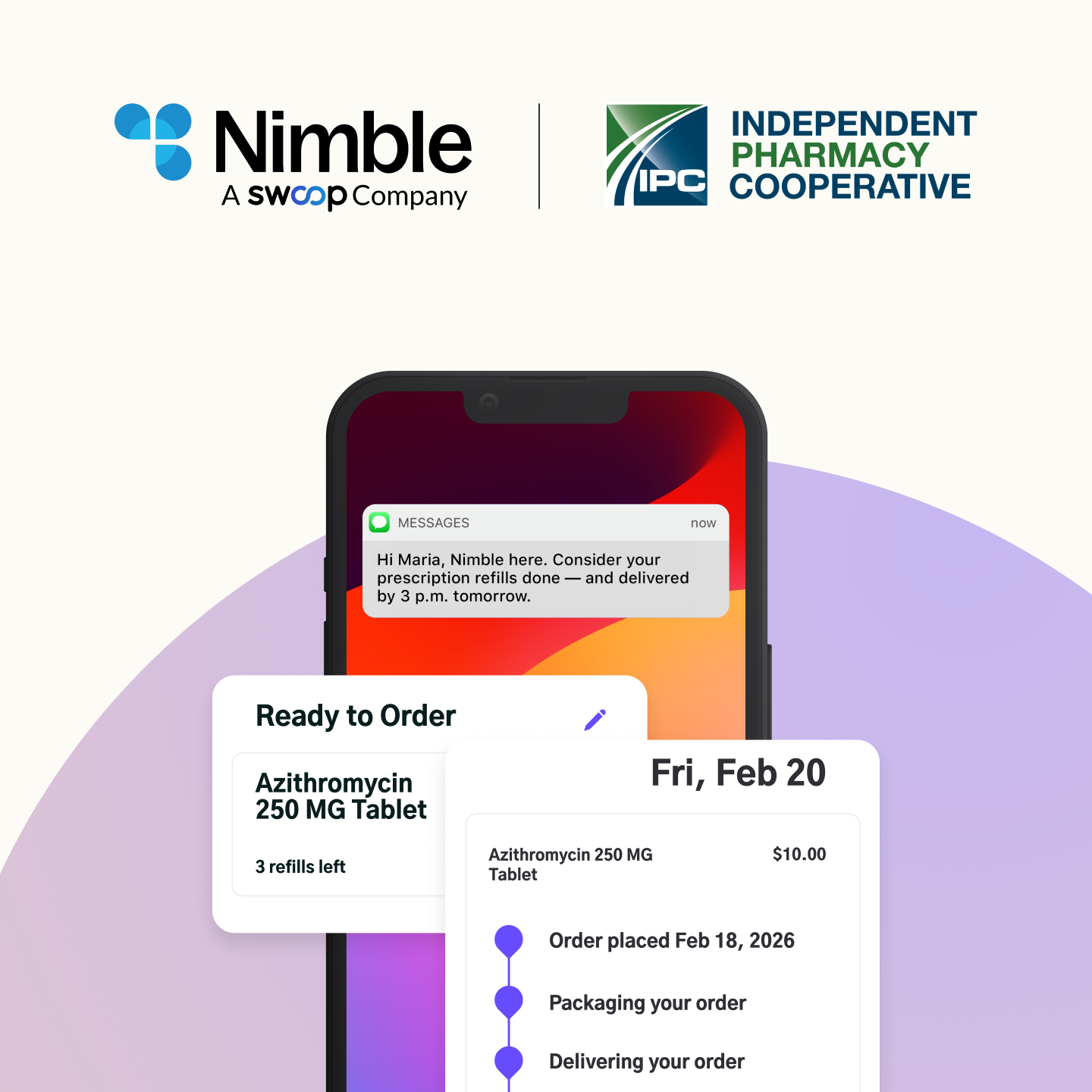
NimbleRx is a prescription fulfillment and patient engagement platform built for independent and community pharmacies. It helps pharmacies modernize the patient-facing side of fulfillment with prescription-ready notifications, refill reminders, two-way HIPAA-compliant messaging, and digital checkout. It can also help teams be more efficient by allowing patients to complete checkout before pickup, rather than creating another counter task during the rush.
For pharmacies, this is not simply a faster payment method. NimbleRx brings together mobile checkout and revenue-focused opportunities, including the opportunity for pharmacies to earn $.50 for every checkout completed through the platform.
NimbleRx also integrates with most pharmacy management systems, like Pioneer, PrimeRx, Liberty, BestRx, with payment and signature documentation flowing into the systems. That connected workflow helps support a smoother patient experience without asking staff to manage another disconnected process.
Key Actions for Pharmacists
- Audit where checkout slows your team down: Track payment calls, counter delays, unclaimed prescriptions and end-of-day reconciliation time for one week
- Look for mobile checkout that lets patients pay before pickup and supports prescriptions, refills and relevant service or delivery fees
- Make payment visibility part of your prescription-ready workflow so staff and patients know what is complete before arrival
- Start with one high-friction moment this week, such as unpaid ready prescriptions, and identify how many touches it takes to resolve
A better checkout experience can protect staff time, reduce avoidable pickup friction, and help your pharmacy capture more of the revenue connected to the prescriptions you already dispense.
Ready to learn more about how NimbleRx can help your pharmacy make payments easier and unlock new revenue opportunities?


.png)
.png)
.png)

.png)


.jpg)
.jpg)
.jpg)





.jpg)


.jpg)








.jpg)